November 9, 2026
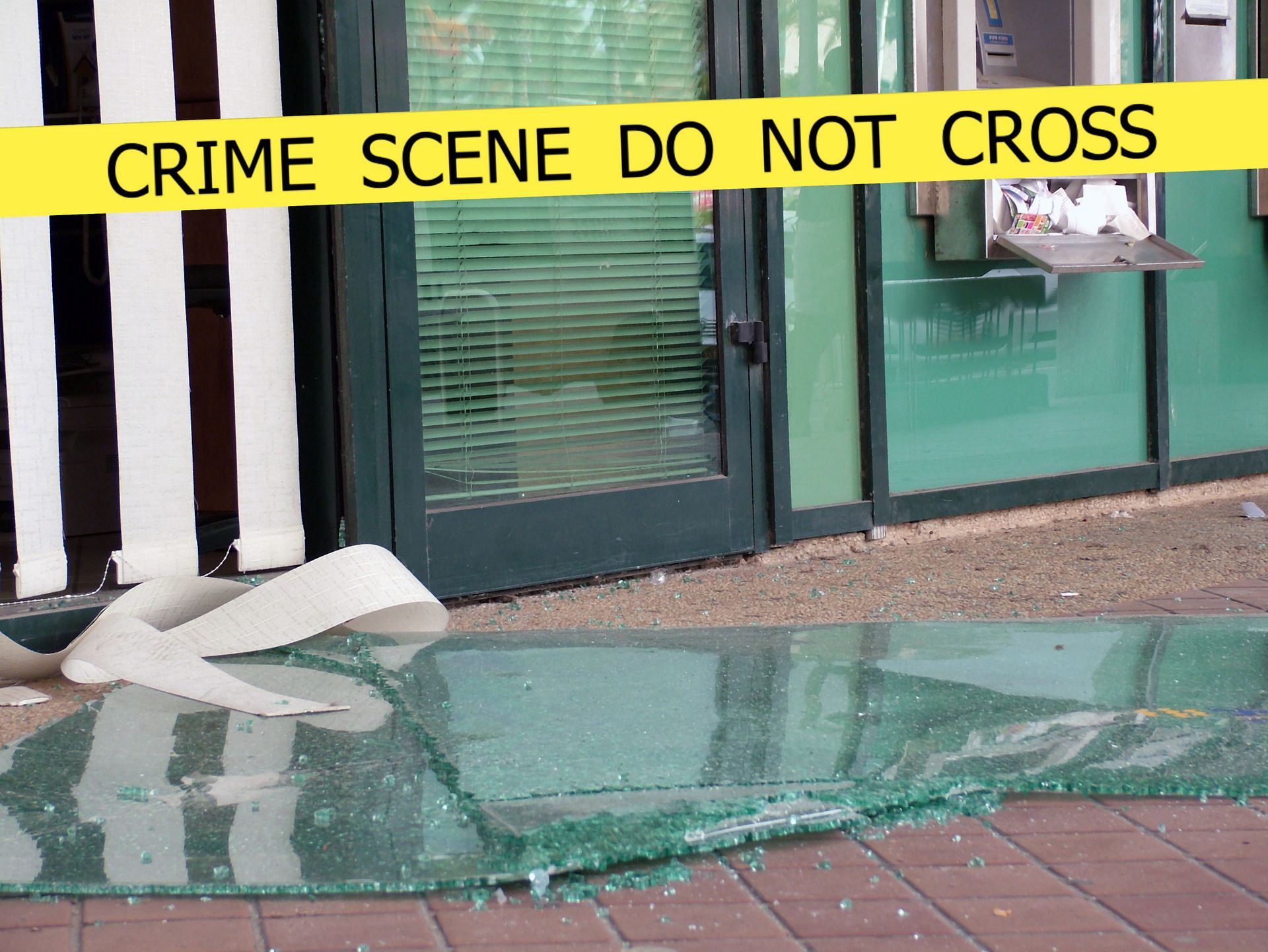
According to the FBI's 2024 Reported Crimes in the Nation Statistics, the United States experienced a violent offense on average every 25.9 seconds. This sobering reality highlights the ongoing need for rigorous cleanup responses following traumatic events. Dealing with the aftermath of an incident requires more than standard janitorial work; it demands an intricate understanding of biohazard remediation. Returning a compromised environment to a safe, livable condition is exactly what a professional crime scene cleanup achieves. By understanding each phase of the remediation process, you can know exactly what to expect when a team arrives to handle the situation.
Undergoing Extensive Training and Certification
Professionals handling biohazardous materials undergo rigorous training to ensure absolute safety and legal compliance. They master the use of personal protective equipment and strict decontamination protocols long before stepping onto a site. This continuous education guarantees they remain updated on the latest health regulations. Thorough education empowers these workers to handle unimaginable scenes with absolute precision and care.
Maintaining Professionalism During Sensitive Situations
Discretion and compassion are critical when dealing with traumatized individuals. Crews work quietly and efficiently, respecting the privacy of everyone affected by the event. Maintaining a high level of professionalism ensures that all documentation is accurate for necessary insurance claims. Recognizing the emotional toll, companies often provide counseling resources for their staff, ensuring these dedicated workers can continue performing their demanding duties.
Preparing to Be Ready for Law Enforcement Agencies
Collaboration with police and investigators is vital for a seamless operation. Technicians often wait for official clearance before entering the area so they do not disturb any remaining evidence. This careful partnership ensures the investigative process finishes completely before decontamination begins. Waiting for proper authorization honors the integrity of the active investigation.
Evaluating the Site for Potential Hazards
The first step in any intervention involves a rigorous site evaluation. Crews assess the overall damage and identify biological or chemical risks that require precise handling. Having a clear roadmap eliminates confusion and accelerates the overall recovery timeline. Teams build a schedule based on the initial assessment, ensuring they coordinate smoothly with other active agencies. A transparent timeline also provides a sense of predictability for the overwhelmed property owners.
Allocating Necessary Resources and Equipment
Proper resource management ensures the right tools are always on hand. Teams procure industrial-grade cleaning agents, safety gear, and specific disposal containers before beginning the work. Continuous monitoring of these hazards guarantees that the work environment remains completely secure. Using the proper tools right from the start avoids unnecessary delays and complications.
Utilizing Personal Protective Equipment Properly
Personal protective equipment serves as the primary barrier against dangerous pathogens. Crews don gloves, goggles, respirators, and full-body suits to minimize exposure risks. Regular inspections of this gear ensure it functions flawlessly during every phase of the crime scene cleanup. These strict safety protocols protect the workers while preventing hazardous materials from leaving the contained zone.
Ensuring Decontamination Is Thorough and Long-Term
Thorough decontamination aims to remove harmful pathogens entirely. Teams utilize potent agents and proven techniques to scrub surfaces and purify the surrounding air. Going beyond surface-level aesthetics, they focus on eradicating unseen microscopic threats to protect public health. Following strict mandates significantly reduces the risk of transmitting infectious diseases during the job.
Handling Hazardous Materials With Care
Managing toxic substances requires exact adherence to legal safety guidelines. Workers expertly identify, extract, and contain hazardous materials to prevent any cross-contamination. Using industrial chemicals properly ensures that the environment becomes completely safe for subsequent occupancy without risking further environmental harm.
Removing Debris and Contaminants Initially
The physical work starts by clearing away all unsalvageable items and visible debris. Carefully extracting these elements prevents pathogens from spreading to unaffected areas of the property. Once cleared, the focus shifts to intensive disinfection. Technicians apply hospital-grade formulas to eradicate lingering microorganisms across all impacted surfaces. This meticulous application is absolutely necessary to verify the space is fully decontaminated and ready for safe habitation again.
Eliminating Lingering Odors From the Environment
Unpleasant smells often persist long after physical debris leaves the area. Technicians deploy advanced odor neutralizers and ozone machines to chemically break down airborne particles. Restoring clean air provides significant psychological comfort and signifies a truly completed crime scene cleanup. Addressing these invisible issues ensures the location feels welcoming rather than serving as a constant reminder of the tragedy.
Finalizing Operations and Documenting the Process
Quality control involves a highly detailed inspection to uncover any missed microscopic hazards. A concluding walkthrough verifies that every single standard has been met. Comprehensive documentation, including detailed logs and photographs, provides a transparent record of the operation. These reports prove invaluable for insurance processing and demonstrate the total accountability of the crew.
Complying With Strict Legal Regulations
Navigating local and federal laws dictates how teams manage hazardous waste. Adherence to these strict mandates prevents legal complications and honors fundamental public health standards. Disposing of biohazardous waste involves strict packing and transportation rules. Teams transport sealed containers to certified medical waste facilities for legal incineration. Operating a lawful business in this field requires up-to-date credentials, proving the team maintains the competence required to perform dangerous remediation work. Staying current on legal shifts is mandatory for any legitimate crime scene cleanup operation.
Pursuing Continuous Training and Education
The remediation industry evolves rapidly as new cleaning technologies emerge. Technicians engage in ongoing education to refine their techniques and adopt safer methodologies. A strong commitment to learning elevates the overall quality of every single crime scene cleanup project. Proactive community involvement greatly enhances public health preparedness before an unexpected tragedy ever strikes.
Offering Emotional Support for Affected Families
We understand the immense emotional impact these tragic events have on families. Our team provides compassionate assistance and often helps connect individuals with professional counseling resources. This support aids the healing journey while we handle the physical remediation. Navigating the aftermath requires access to clear and accurate information, so we actively inform families about procedural expectations. Empowering people with knowledge helps them make confident decisions during incredibly challenging times.
Delivering Comprehensive Follow-up Services
Ensuring safety often requires checking back in after the initial work ends. We provide follow-up assessments to address any lingering concerns property owners might still harbor. This continued engagement solidifies the overall effectiveness of the crime scene cleanup process. Restoring a property often involves more than just deep cleaning, so we frequently suggest capable contractors to fix structural damage. Providing these practical recommendations helps owners seamlessly navigate the final stages of property recovery.
When an unexpected tragedy strikes, navigating the aftermath can feel completely overwhelming for anyone involved. Managing the physical remnants of a traumatic event demands profound care, exact precision, and a deep understanding of hazardous materials. As we have explored throughout this guide, the meticulous nature of a professional crime scene cleanup guarantees that spaces are not just visually clear, but microscopically safe for everyone returning to them. Whether it involves biohazard and trauma cleanup services, property and specialized cleanup services, or simply restoring your peace of mind, having a reliable team makes all the difference. We recognize that our job extends far beyond sanitation; it is about providing a foundation for healing. We ensure that every regulation is followed, every hazard is eliminated, and every family is treated with the utmost compassion and respect. If you find yourself in need of immediate assistance and are looking for comprehensive support, you can explore the various services and offers available on our website. Let our dedicated professionals handle the dangerous work so you can focus on moving forward. For prompt, discreet, and expert assistance, reach out to Philadelphia Trauma Cleanup Services today.